
贝克曼超速离心机
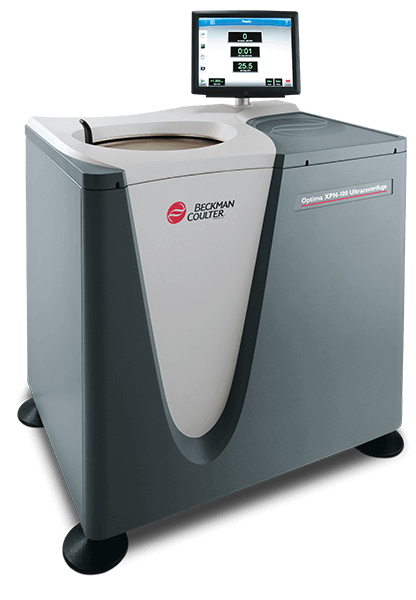
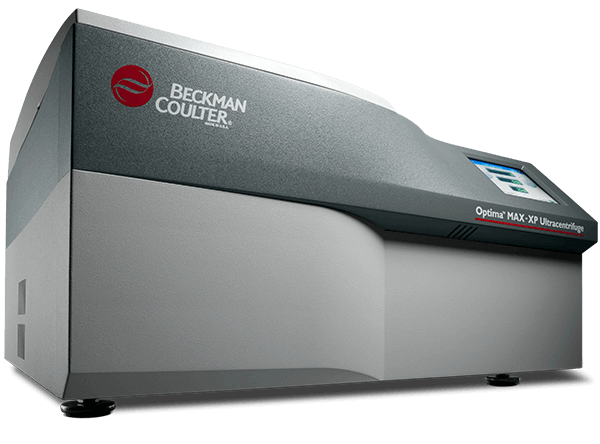
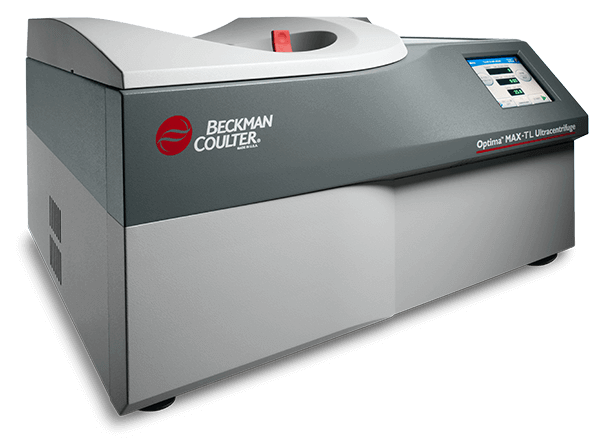
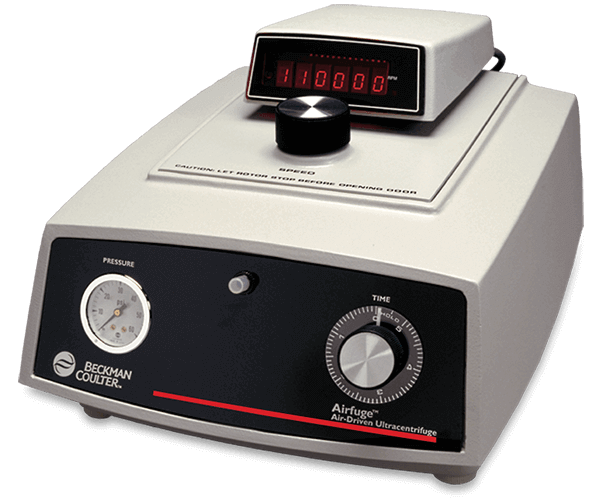
在 1947 年,我们推出了贝克曼库尔特生命科学第一款商用超速离心机。自此,我们卓越的超速离心机产品系列已具备令人惊喜的速度,精细度且无需牺牲其他功用性能。

FAQ on Ultracentrifuges
What is the difference between a centrifuge and an ultracentrifuge?
The primary difference is speed and centrifugal force. Standard laboratory centrifuges are used for routine sample preparation, while ultracentrifuges achieve significantly higher rotational speeds and relative centrifugal forces (RCF). This makes ultracentrifuges suitable for separating very small particles such as viruses, ribosomes, proteins, and lipoproteins.
How fast does an ultracentrifuge spin?
Depending on the system and rotor configuration, ultracentrifuges can operate at speeds exceeding 100,000 RPM and generate centrifugal forces greater than 800,000 × g. These conditions allow researchers to separate microscopic particles with exceptional precision and reproducibility.
What is an ultracentrifuge?
An ultracentrifuge is a laboratory instrument that spins samples at extremely high speeds, often exceeding 100,000 RPM, to generate powerful centrifugal forces. These forces enable the separation of subcellular particles, viruses, proteins, nucleic acids, extracellular vesicles, and nanoparticles that cannot be effectively isolated using conventional centrifuges.
What are the most common applications of ultracentrifugation?
Ultracentrifugation is commonly used in biopharmaceutical research, virology, molecular biology, proteomics, and nanotechnology. Typical applications include viral vector purification, extracellular vesicle isolation, density gradient centrifugation, protein analysis, and nanoparticle characterization.


