
科研型流式细胞仪
作为第一家提供基于阻抗的流式细胞仪的公司(1953 年),我们继续坚定地努力成为并保持在研究流式细胞仪领域的全球领导者。对我们来说,这一切都是为了推进科学和突破流式细胞术的可能性。 我们不断创新,为您提供解决方案,帮助您了解其他平台无法实现的功能。
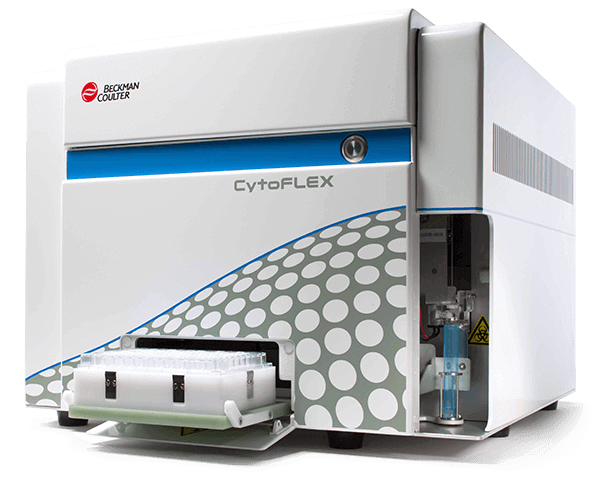
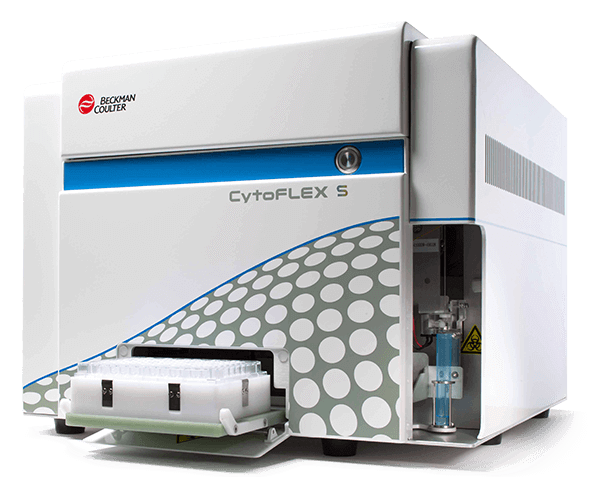
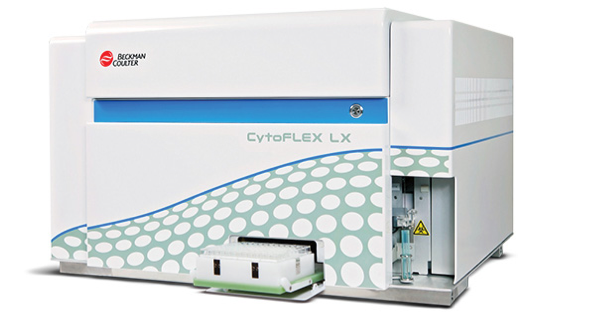
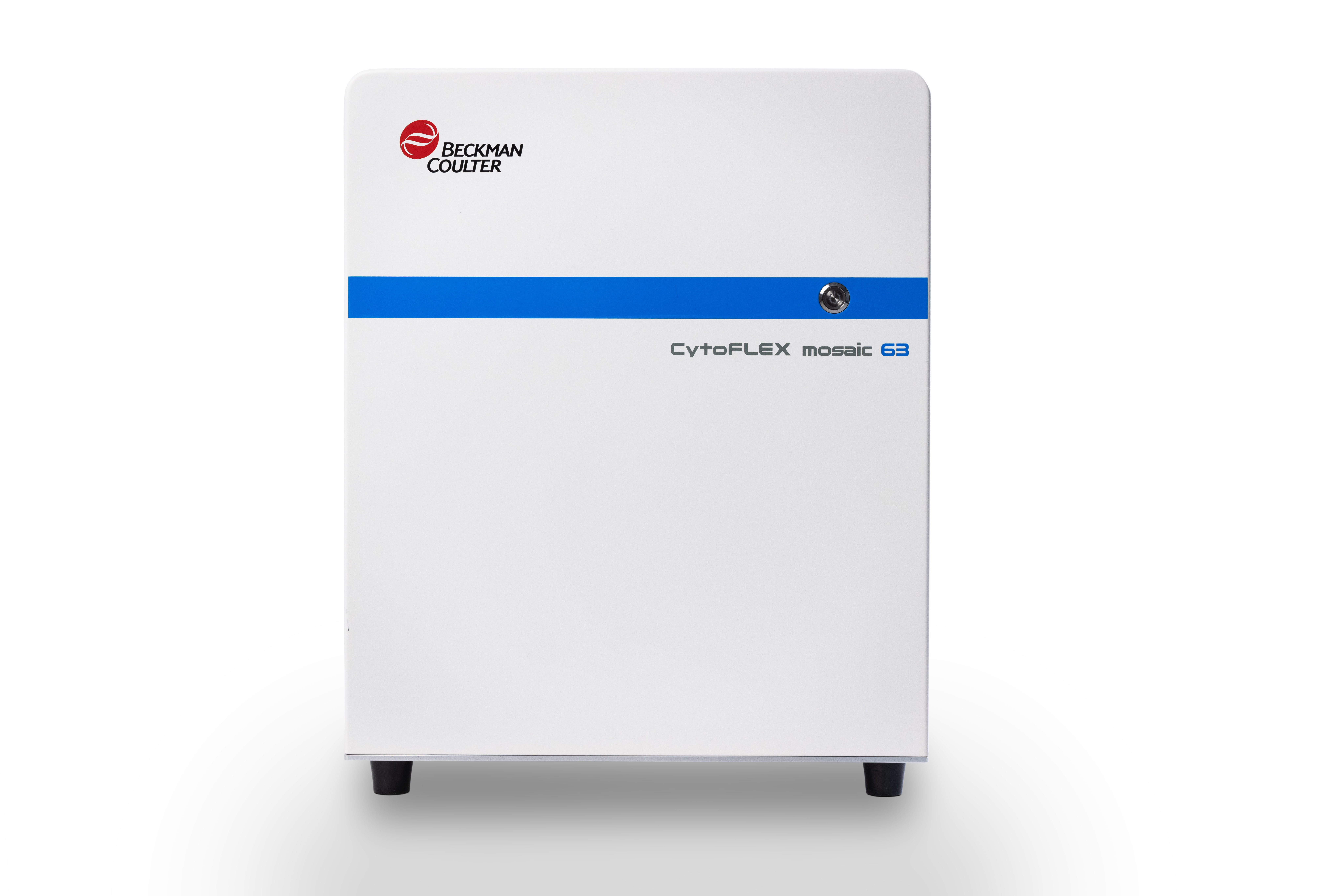
CytoFLEX 科研型全自动流式细胞仪平台这一创新系统带来了无与伦比的激发与检测性能,极大限度地降低光信号的损失,从而带来优异的仪器灵敏度。该科研型全自动流式细胞仪平台包括三种不同的型号——CytoFLEX、CytoFLEX S 和 CytoFLEX LX——均在紧凑、易于使用的细胞分析仪器中提供强大的性能。
Research Flow Cytometers FAQs
What software is used with research flow cytometers?
Flow cytometry software supports instrument setup, data acquisition, quality control, analysis, and reporting. Depending on your workflow, software can also simplify experiment setup and enable advanced data visualization and interpretation.
What research applications can flow cytometers support?
Research flow cytometers support a wide range of applications, including immunology, oncology, stem cell research, cell therapy, extracellular vesicle (EV) analysis, apoptosis studies, cell cycle analysis, and high-dimensional single-cell research. Different instrument configurations are designed to meet varying experimental needs.
What is a research flow cytometer?
A research flow cytometer is an instrument used to analyze the physical and fluorescent characteristics of individual cells or particles in suspension. Researchers use flow cytometers for applications such as immunophenotyping, cell biology, extracellular vesicle (EV) research, and multi-parameter analysis to better understand complex biological systems.
How do I choose the right research flow cytometer?
The best research flow cytometer depends on your application, the number of parameters you need to measure, sample throughput, and future scalability. Researchers should consider factors such as laser configuration, detector capabilities, sensitivity, ease of use, software, and whether conventional or spectral detection is best suited for their workflow.
Can I upgrade my existing flow cytometer with spectral capabilities?
Some research flow cytometer platforms offer modular upgrades that allow researchers to add spectral detection without replacing their existing instruments. This approach can help expand experimental capabilities while protecting previous instrument investments.


